Course DetailsHome / Courses Details
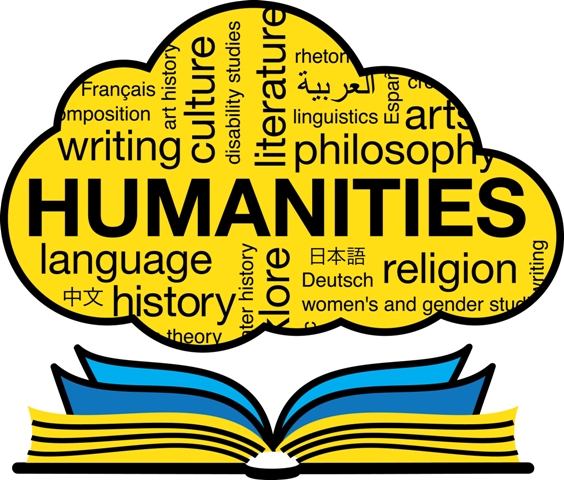
Humanity
Outline
Common subjects in the Humanity Class include:
-
Literature-in-English – Study of poetry, prose, and drama from African and non-African writers
-
Christian Religious Studies (CRS) / Islamic Religious Studies (IRS) – Exploration of moral teachings, religious history, and scripture
-
History – Study of Nigerian, African, and World history
-
Government – Structure, systems, and functions of political institutions
-
Civic Education – Rights, responsibilities, and nation-building
-
Languages (English, French, Nigerian Languages) – Language use and structure for effective communication
-
Fine Arts / Music / Theatre Arts (optional depending on school)
Prerequisites
-
Interest in reading, writing, and understanding human behavior and society
-
Ability to analyze texts and express ideas clearly
-
Willingness to engage in debates, presentations, and research
-
Good listening, speaking, and interpersonal skills
Resources
-
Prescribed textbooks and literary works
-
Bibles/Qur’ans (for CRS/IRS)
-
Historical and civic documents (e.g., Nigerian Constitution)
-
Dictionaries and reference books
-
Access to libraries, internet, and media materials
-
Debate clubs or cultural groups (for enrichment)
Stats
-
Humanity students are eligible for WAEC, NECO, and GCE exams in relevant subjects
-
Common tertiary courses include Law, Mass Communication, Sociology, Political Science, History, Religious Studies, and Education
-
Graduates from the Humanities are valued in professions that require strong people skills, critical thinking, and ethical decision-making
-
Global demand is rising for humanities graduates in media, NGOs, education, and governance sectors